
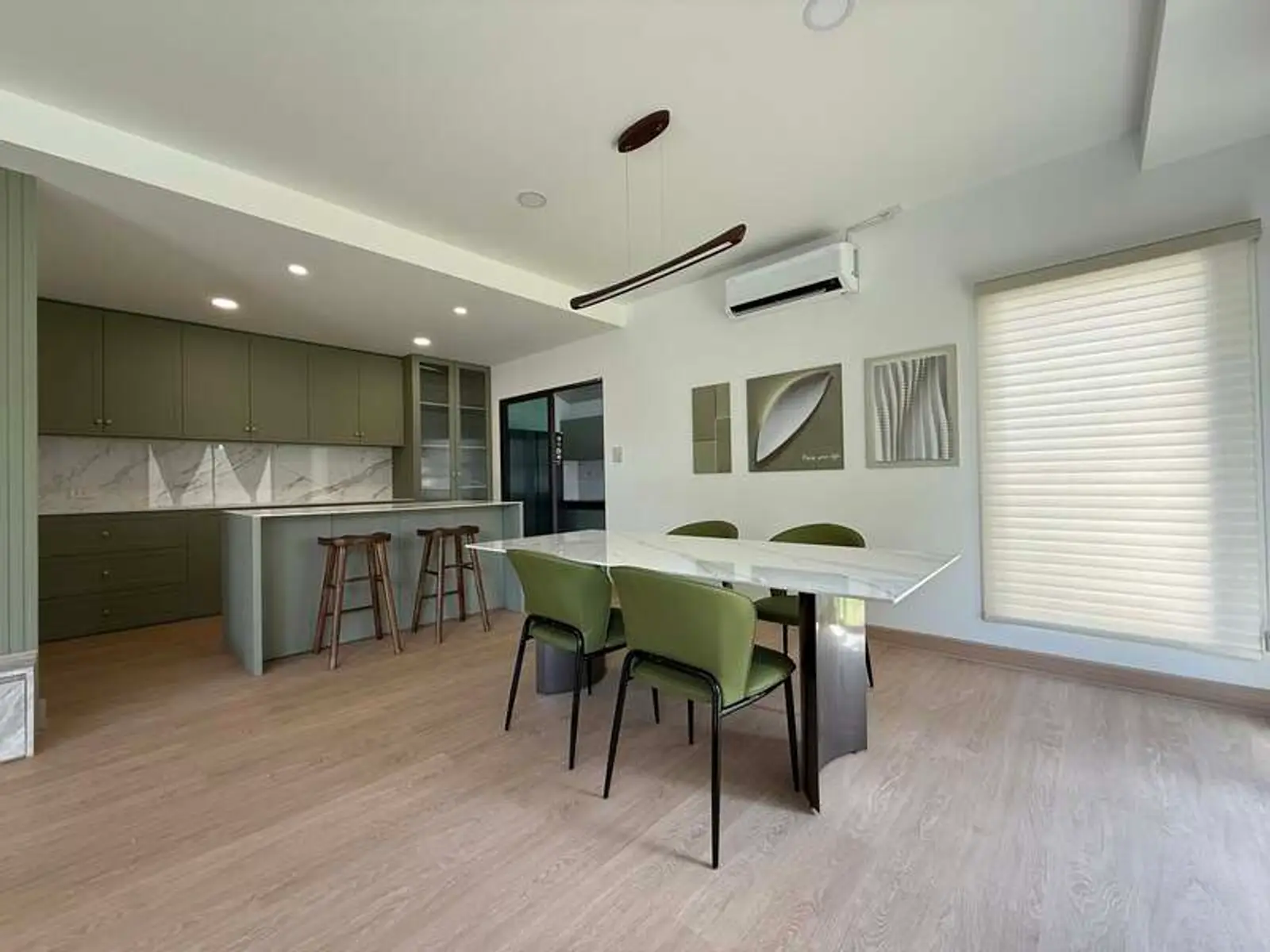
Settling under the sun of the Gulf of Thailand appeals to more and more people. Yet making a success of your retirement in Thailand, between property and visa, means mastering two inseparable sides: the permit that authorises a long stay and the legal framework that governs buying a home. Pattaya, less than two hours from Bangkok, draws a large share of European demand thanks to its beaches, modern clinics and moderate cost of living.
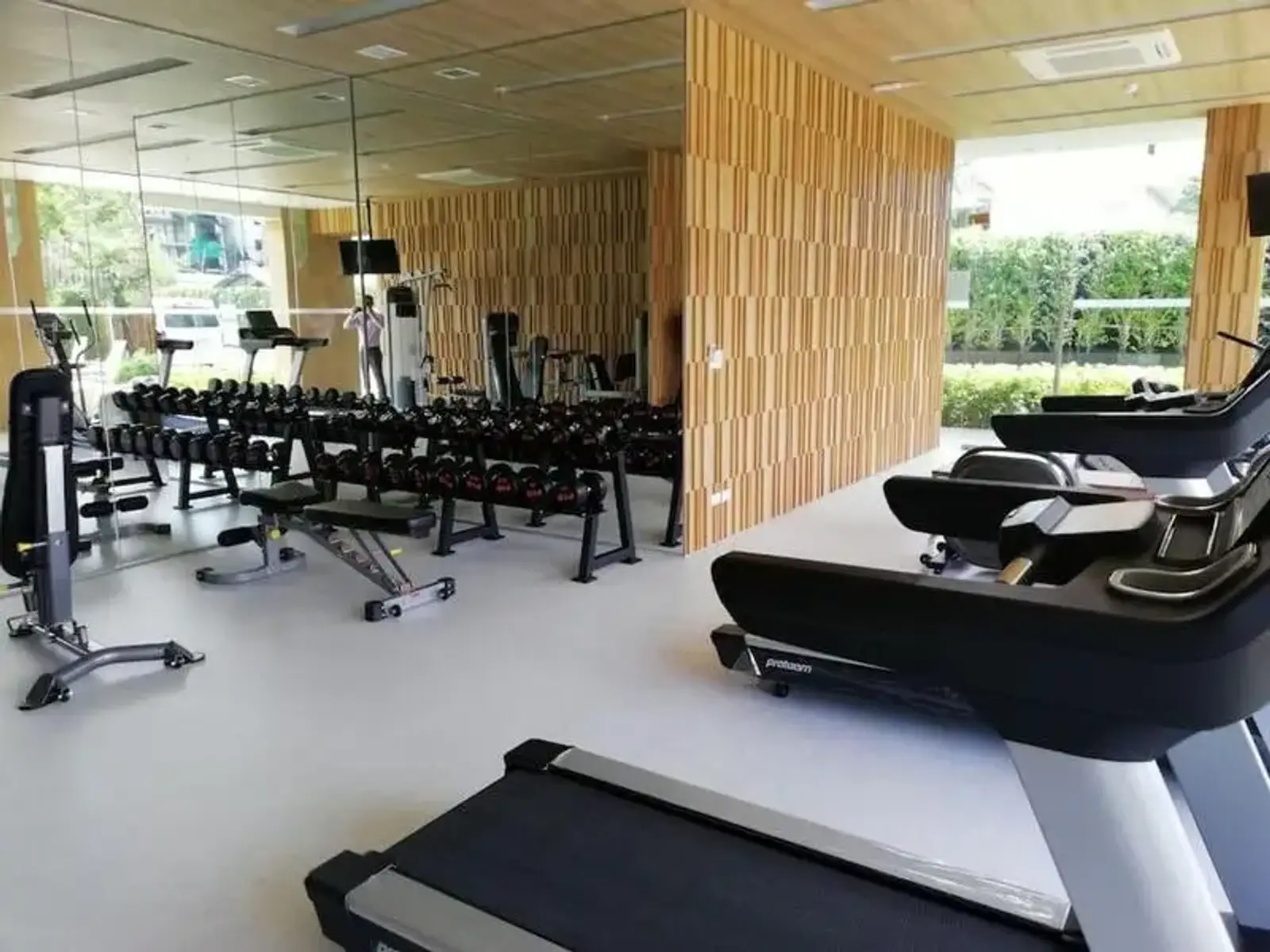
Choosing the right visa for your retirement in Thailand
The "Non-Immigrant O" or "O-A" retirement visa is open to people aged 50 and over. It requires either an 800,000-baht deposit seasoned for two to three months in a Thai bank account, a demonstrated monthly income of 65,000 baht, or a combination of both. The O-A version also requires recognised health insurance covering hospitalisation. Renewable each year from within Thailand, this visa comes with a 90-day address report to immigration.
Alternatives: Thailand Privilege and LTR
To avoid locking up a large sum, some retirees choose the Thailand Privilege visa (formerly Elite), valid for 5 to 20 years for a lump-sum entry fee, or the ten-year LTR (Long-Term Resident) visa aimed at wealthier applicants who can show steady passive income.
Buying property: what the law says
A foreigner cannot own land freehold, but may freely buy a condominium unit in their own name. The quota rule caps at 49% the share of a building's saleable floor area that non-Thais may hold; the remaining 51% stays Thai. Always check that this foreign quota is not already full before paying a deposit.
The strongest title deed is the Chanote (Nor Sor 4 Jor), GPS-surveyed and fully transferable; be wary of lesser titles such as the Nor Sor 3 Gor, which are less precise and ineligible for condominium registration. Purchase funds must arrive by international transfer documented with an FET (Foreign Exchange Transaction) form, an essential document for later reselling and repatriating your capital out of Thailand.
Pattaya: budget, taxes and yield
At transfer at the Land Office, expect around 2% in fees calculated on the appraised value, usually split between buyer and seller, plus a withholding tax and, depending on the holding period, either stamp duty or a specific business tax. Even so, Pattaya remains affordable and rentable: new studios and one-bedroom units post a gross rental yield of 6 to 8%, well above most European markets.
Before you commit, keep these essentials in mind:
- Hire an independent lawyer for due diligence on the title and the foreign quota.
- Favour a Chanote condominium over a 30-year leasehold villa.
- Keep the FET form for every incoming transfer from abroad.
- Budget for the common-area fees and the sinking fund.
- Plan ahead for the annual visa renewal and the cost of health insurance.
Well prepared, the move combines an easy pace of life, a controlled budget and a tangible asset. Local legal advice and a reputable agency remain your best allies for securing both your visa and your property purchase.
Frequently asked questions
What age is required for a Thailand retirement visa?
You must be at least 50 and show either 800,000 baht seasoned for two to three months in a Thai account, a monthly income of 65,000 baht, or a combination of the two.
Can a foreigner buy a condo in Thailand?
Yes. A foreigner can own a condominium unit freehold in their own name, within the 49% foreign quota of a building's saleable floor area.
What are the property purchase costs in Thailand?
Expect about a 2% transfer fee on the appraised value, usually split, plus withholding tax and either stamp duty or a specific business tax depending on the holding period.
What is a Chanote title?
The Chanote (Nor Sor 4 Jor) is Thailand's strongest title deed, GPS-surveyed and fully transferable, unlike the less precise Nor Sor 3 Gor, which cannot be registered as a condominium.
What rental yield can I expect in Pattaya?
New studios and one-bedroom units in Pattaya typically deliver a gross rental yield of 6 to 8%, higher than most European markets.


