
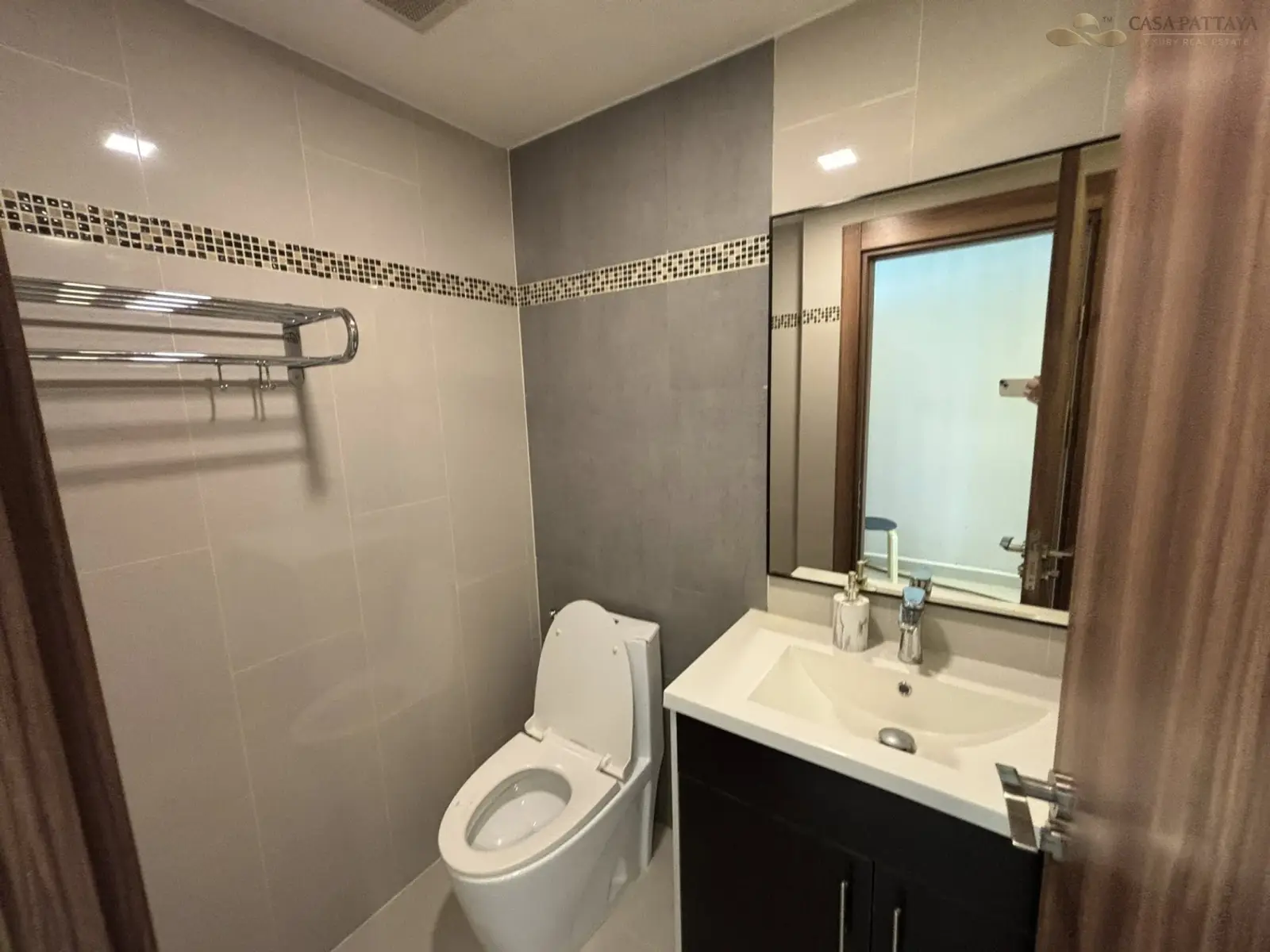
The Phuket property market attracts many investors in search of an attractive return and international opportunities. Buying a 35 m² studio for THB 3.5 million, generating a net rental return of 8%, is a perfect illustration of what the region can offer. Behind those figures lie some truths about property prices in Phuket, the criteria that make a property investment work and the challenges of letting an apartment, whether seasonally or long term.
Why choose Phuket for a property investment?
Phuket appeals for more than its beaches and relaxed way of life. The energy of its property market makes the island a benchmark for buying property. Studios in Phuket in particular are in strong demand, from expatriates and tourists alike — you can see what is available in Phuket.
On rental profitability, Phuket posts some of the highest net yields in the country. The combination of tourist appeal and legislative stability also strengthens the security of investments. Management is made simpler, too, by the presence of numerous specialist agencies.
Case study: a 35 m² studio in Phuket with a net yield of 8%
Acquiring a 35 m² studio in Phuket at a price of THB 3.5 million illustrates the mechanics of property investment on the island well. This type of property answers the growing demand for affordable but comfortable accommodation, often in strategic locations near the sea or in lively districts.
With a net rental return of 8%, this investment offers an interesting balance between yield and risk. Calculating the net yield precisely means taking into account not only the rent received, but also local taxation and running costs (service charges, maintenance, concierge services).
Comparison with other types of property
Studios stand apart from other property types such as villas or family apartments in their affordability and how easily they let. A studio in Phuket generally finds a tenant faster thanks to a large pool of people looking for flexible options.
The major difference lies in the level of management involved: letting a studio is often simpler than letting a high-end villa, where expectations and expenses are both higher. To maximise the net yield, many investors favour the compact format, which is cheap to maintain and much sought after by solo travellers and couples — mostly in the condominium segment.
How location within Phuket affects profitability
Location within Phuket strongly influences both the price per square metre and the rental return. A studio close to the popular beaches or in the town centre will show an appreciably higher Phuket property price, offset by sustained rental demand throughout the year.
Conversely, a property on the outskirts means a more affordable purchase but sees occupancy fall outside the tourist season. Adapting your choice of district therefore remains essential to optimising net yield and annual occupancy rate.
A detailed analysis of the financial data
Exploring the economics of such a purchase gives a better understanding of the prospects for return and of the unavoidable cost items. Here is a summary table setting out the typical financial balance around a studio in Phuket:
| Indicator | Estimated value | Comments |
|---|---|---|
| Purchase price (35 m² studio) | THB 3,500,000 | Initial purchase excluding additional costs |
| Price per square metre | THB 100,000/m² | Average observed for a new studio |
| Gross annual rent | THB 280,000 | Based on regular occupancy |
| Annual charges and taxes | THB 20,000 | Service charges, maintenance and taxes |
| Net yield | 8% | After deducting all charges |
The appeal of the net yield stems from the relatively moderate price per square metre, combined with high rental demand. Even allowing for seasonal variation and potential void periods, the ratio remains above what many comparable European or North American markets offer, as our study of rental yields in Thailand shows.
Getting onto the property ladder by buying a studio in Phuket therefore suits buyers who want to combine diversification of their assets with straightforward management, while benefiting from the country's tourism growth.
Key points to watch when buying a studio in Phuket
Anticipating the challenges inherent in letting an apartment calls for regular monitoring and a few checks before each purchase. Several factors come into play in preserving the rental return and guaranteeing the property's value over the long term.
These include finding out about the state of the condominium, the quality of general upkeep in the building and the financial strength of the developer. The immediate surroundings should never be overlooked: a property that is too isolated reduces its chances of being let all year round.
- Favour districts with strong tourist or residential demand.
- Negotiate firmly on the Phuket property price so that entry costs are absorbed quickly.
- Analyse rental turnover over several years to avoid nasty surprises.
- Build in margins to cover potential void periods or local economic fluctuations.
Adapting your property investment strategy allows you to respond better to shifts in demand and to stay flexible. The choice of managing agent also matters a great deal, since it can change the property's final performance. Our team can help you compare operators on the island.
Frequently asked questions about profitability and property investment in Phuket
How do you calculate the net yield of a studio in Phuket?
To determine the net yield, you subtract all the charges (service charges, management fees, maintenance, taxes) from the gross annual rental income, then divide the result by the total amount invested. For example, for a studio bought at THB 3.5 million, if annual income reaches THB 280,000 with THB 20,000 of charges, the calculation is: (280,000 – 20,000) / 3,500,000, or about 7.4%. A rental return close to 8% is still considered very competitive in Phuket.
What are the advantages of a studio compared with other property types?
A studio has several advantages over larger apartments or villas in Phuket. Rental management is simpler, the acquisition cost is more accessible and the occupancy rate is higher thanks to broad demand. These points limit the risks while offering a net yield that is often higher than other property types — our review of Phuket villa prices shows the contrast at the top of the market.
- Low initial cost
- Stable rental demand
- Reduced maintenance costs
- Greater liquidity on resale
Which districts should you favour to maximise rental profitability in Phuket?
The profitability of an investment depends largely on location within Phuket. Among the favoured areas are Patong, Kata, Kamala and Karon. These zones hold the majority of the tourist infrastructure and enjoy a constant turnover of potential tenants. A comparison table often guides the final choice:
| District | Price per square metre (THB) | Rental potential |
|---|---|---|
| Patong | 110,000 | High all year round |
| Karon | 95,000 | Strong seasonal demand |
| Kata | 100,000 | Good year-round turnover |
What additional costs should you budget for when buying property in Phuket?
Beyond the purchase price, the main costs to anticipate include transfer duties, agency commission, legal fees, then service charges and owner's insurance. Managing these charges rigorously helps maintain an optimal net yield throughout the period of ownership; our breakdown of purchase costs lists them item by item.
- Transfer duties and land and building tax
- Service charges
- Home insurance
- Maintenance and replacement of furnishings


