
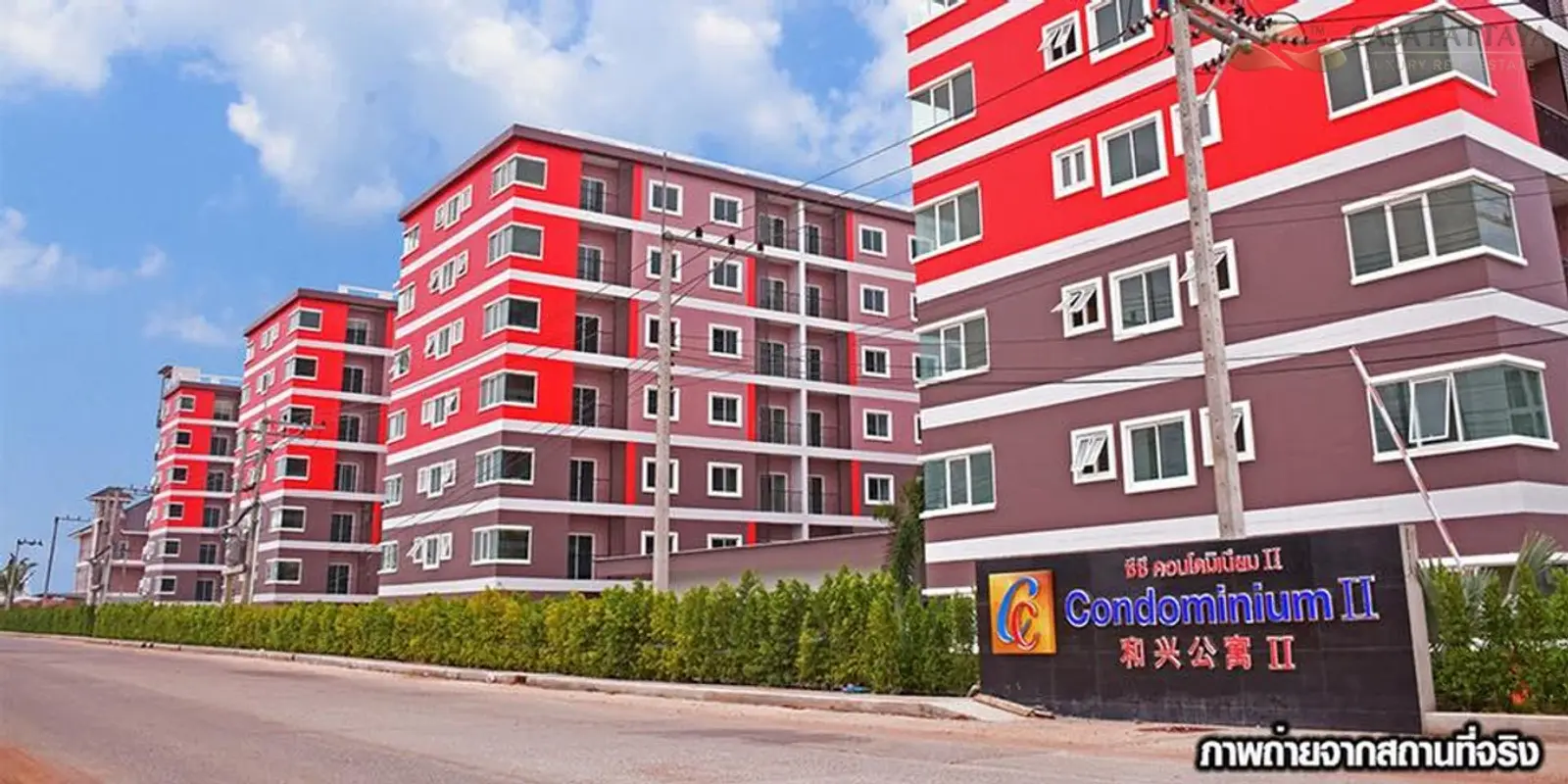
Longing for sunshine, a complete change of scene and an exotic property investment? Buying property in Pattaya is a dream for many French buyers. Yet beneath Thailand's blue skies lie a few traps to avoid if the project is to become a genuine success. Before signing the purchase contract or letting yourself be won over by a stunning view, it is worth going through the common mistakes made when investing in property in Pattaya. Here is a review of the classic pitfalls and practical advice on getting around them.
Why does Pattaya attract so many first-time property investors?
Pattaya has built its reputation among expatriates and French-speaking investors thanks to its lively beaches, its warm climate all year round and its dynamic Thai property market. Many see the city as the ideal gateway to a new life or to attractive diversification of their assets. Prices remain affordable compared with other international markets.
Opportunities abound, but every success story also conceals complicated tales of a poorly executed property valuation or a failure to understand certain contractual clauses. From the outset, a careful analysis of the local market avoids a great many disappointments, both in profitability and in the legal security of the transaction.
What are the 7 fatal mistakes French buyers make when buying property in Pattaya?
Setting off full of enthusiasm but without methodical preparation, many people find themselves facing complications they could have anticipated. Here is the detailed list of mistakes to avoid so that you can make a property investment with complete confidence.
Getting the valuation wrong
The foundation of any good project is a realistic valuation of the property. Many buyers rely solely on photos or on the agent's opinion without checking the real quality of construction, the general condition, or even the exact location of the home. In Pattaya, some developments dress up their listings, suggesting an immediate gain in value that does not necessarily exist.
To refine your assessment, you should seek several opinions, visit different districts and call on a local expert if needed. That markedly reduces the risk of paying an inflated price or of overlooking technical defects that can be expensive to put right afterwards.
Neglecting local market analysis
Embarking on a property purchase in Pattaya without analysing the local market exposes you to surprises. The pace of transactions fluctuates with the season, with proximity to tourist areas and with the type of property sought (condominiums, pool villas). Some districts attract more foreigners, which influences demand and therefore rental profitability.
Taking the time to compare price movements, rental demand and the reliability of developers helps secure the investment. Keeping a regular eye on the market lets you adjust your ambitions to real conditions, avoiding the classic trap of a rushed purchase — our guide to the best areas to invest in Pattaya is a good starting point.
Ignoring the specific rules of the Thai property market
Thai legislation regulates foreign ownership strictly. Buying a detached house with land, for example, is subject to significant restrictions for non-nationals. Many people have run into administrative trouble for failing to find out beforehand which form of ownership is permitted (leasehold, freehold or through a local company).
Going through the conditions of acquisition in detail, learning about the rights of foreign buyers and being supported by an expert adviser greatly limits nasty legal surprises on the Thai property market. Our comparison of leasehold and freehold sets out what each structure allows.
Not paying enough attention to the purchase contract and its clauses
Misunderstanding the purchase contract or its contractual clauses often leads to tiresome disputes. Many agreements are offered only in English or Thai, which makes them hard for some French buyers to follow. Crucial points such as the payment plan, penalties for delay and builder's warranties are set out there.
Checking every clause meticulously, having the official document translated and systematically asking for written explanations avoids long-running disagreements and ensures you commit in full knowledge of the facts.
Underestimating the additional charges and the total cost of the project
The excitement of the moment often leads buyers to forget several related expenses: taxes, conveyancing fees, service charges, maintenance, rental management. A miscalculation can quickly push up the final bill and reduce the expected return on the original property investment.
A detailed list of the costs to plan for, together with a summary table like the one below, gives a clear view of the items to build in from the start:
| Type of cost | Average amount (% or THB) | Frequency |
|---|---|---|
| Transfer fee | 2–4% of the purchase price | One-off |
| Annual land and building tax | Depends on the property's value | Annual |
| Service charges | THB 20 to 60 per m² per month | Monthly |
| Upkeep/maintenance | Variable | Occasional |
Choosing a size that suits neither your needs nor your target market
Many buyers fall for an apartment that is too small or too large, thinking only of their own taste. Yet in Pattaya the size of the property affects how easily it can be resold or let. A studio often appeals to tourists, whereas a two-bedroom unit may find takers among expatriate families.
Carrying out a small study of the dominant tenant profiles and favouring floor areas in line with current market demand maximises your chances of adding value to your property purchase over the medium term.
Not following a suitable payment plan
Some buyers commit to an inflexible payment plan and then face financial strain. Thai developers often offer staged plans, with an initial deposit followed by several instalments until the property is completed. A delay, however small, can trigger penalties or hold up the handover of keys.
Negotiating a realistic schedule, making sure you have the funds available at each stage and clarifying the terms allow you to stay in full control of your property investment while minimising sources of anxiety.
- Ask for a precise simulation of the payment plan
- Build a safety margin into your monthly budget
- Put every financial commitment to the seller in writing
What advice should you apply to secure a property purchase in Pattaya?
Better informed, every buyer considerably increases their chances of success. Guarding against the mistakes to avoid starts with choosing serious professionals, inspecting properties on the ground and carrying out a full analysis of the Thai property market.
Anticipating every stage, from valuing the home to the final signature, guarantees a calm and lasting experience. Going through certified professionals and comparing several proposals before committing always offers more protection, both on price and on the compliance of the official documents. Our team can review a file before you sign.
- View different types of home before making any decision
- Get at least two opinions from independent local agencies
- Study past transaction records to spot the genuine bargains
- Find out about the laws that apply specifically to foreign owners
Frequently asked questions about the mistakes to avoid when buying property in Pattaya
Which legal formalities absolutely must be checked when buying property in Pattaya?
Several elements need to be verified: the type of purchase permitted according to your nationality, the validity of the title deed ("Chanote"), the existence of any easements and the compliance of building permits — records are held by the Land Department, and our Chanote guide explains how to read one. It is advisable to use a local lawyer to run through these checks point by point and limit the risk of an administrative error, which is common for foreign investors.
How can you anticipate the additional costs of a property investment in Thailand?
On top of the advertised price, take into account: transfer taxes, legal fees, bank charges, agency commission and annual service charges. This table summarises the main additional expenses to plan for:
| Item | Estimate |
|---|---|
| Legal fees | THB 50,000 – 100,000 |
| Annual maintenance | 2% – 5% of the property's value |
- Keep a financial reserve equal to 5–10% of the total acquisition cost
- Ask for a breakdown of the service charges at every viewing
Is rental yield in Pattaya guaranteed on every investment?
Rental yield varies considerably according to location, the size chosen, tourist seasonality and the quality of the property. No property investment offers an absolute guarantee. To maximise your return, favour districts popular with expatriates, look seriously at potential rental voids and target a format of home that international travellers appreciate — our study of rental yields in Thailand gives the benchmarks.
- Compare average occupancy rates by district
- Match the size of the property to the typical tenant profile
Which documents should you ask for to secure a property purchase contract in Thailand?
Insist as a minimum on: a certified copy of the title deed, a complete history of past transactions, authorisation to sell from the current owner, administrative evidence that the property complies with regulations, and a draft contract translated into your own language. Never sign a document without having obtained a full translation and validation by an independent specialist.


